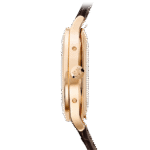
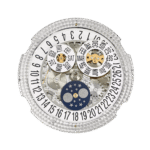

Patek Philippe Complications 5396R-011
Available on backorder
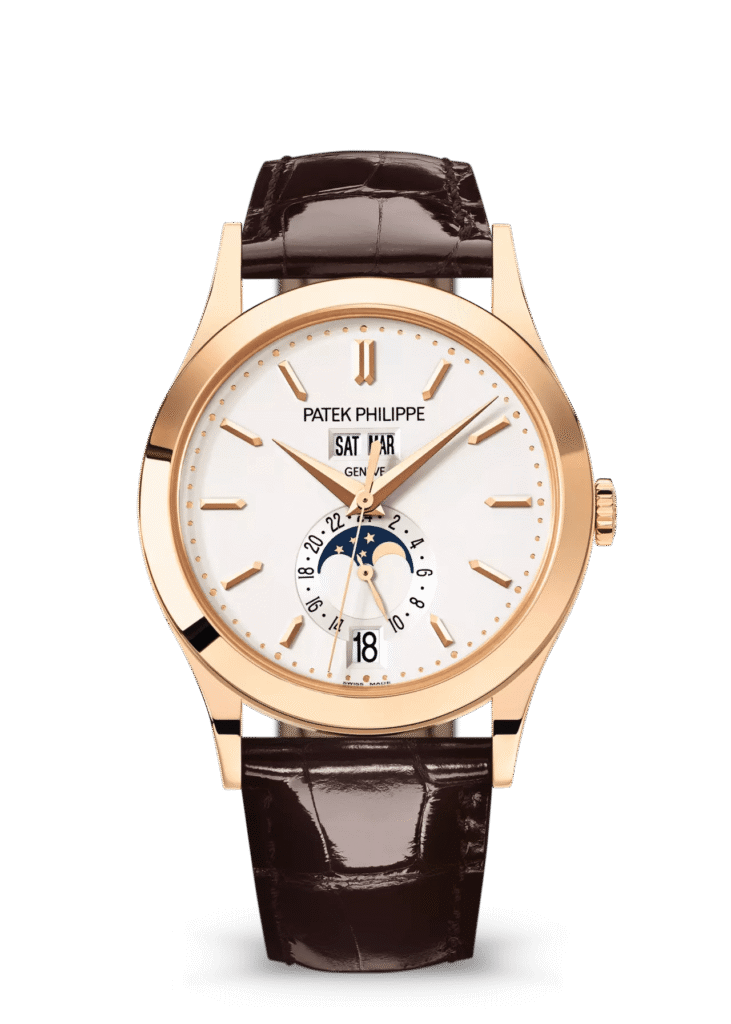
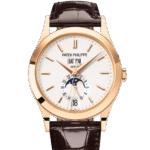
A jewel of elegance and legibility With its double day-month aperture at 12 o’clock, date aperture at 6 o’clock and 24-hour subdial with moon phases, the self-winding Annual Calendar Reference 5396 has become one of Patek Philippe’s greatest successes. It displays all its timeless elegance in this rose gold version, adorned with a silvery opaline dial bearing gold applied hour-markers and hands.
- 100% Authenticity Guarantee
- Insured International Delivery
- Flexible payment options
Any questions?
Story & condition
With its double day-month aperture at 12 o’clock, date aperture at 6 o’clock and 24-hour subdial with moon phases, the self-winding Annual Calendar Reference 5396 has become one of Patek Philippe’s greatest successes. It displays all its timeless elegance in this rose gold version, adorned with a silvery opaline dial bearing gold applied hour-markers and hands.
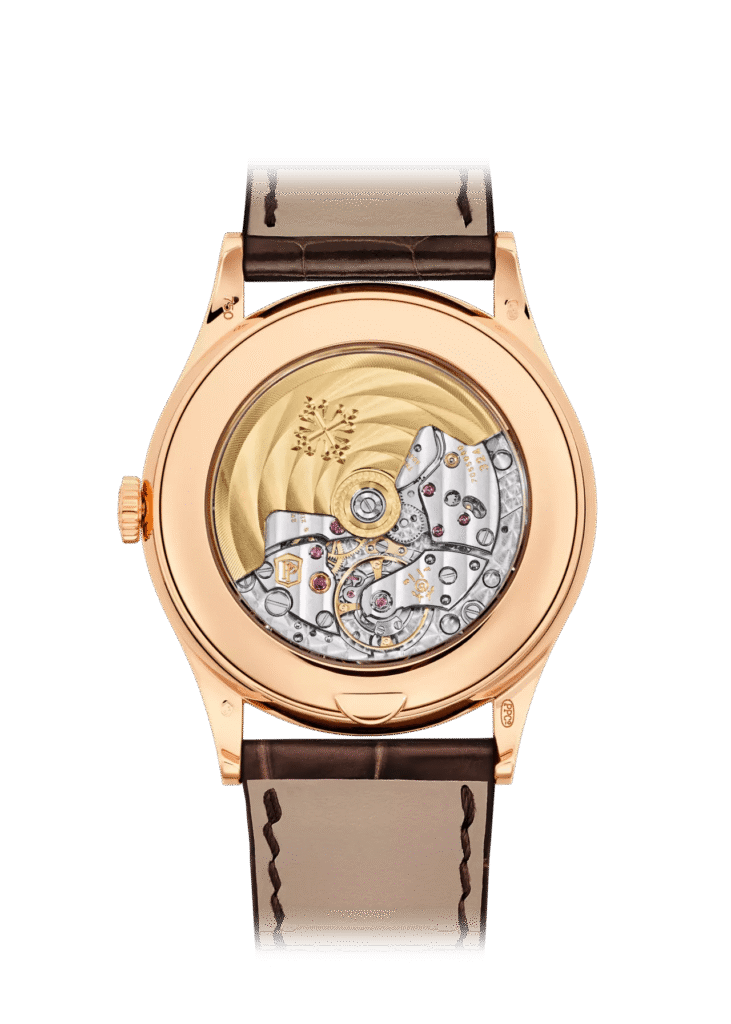
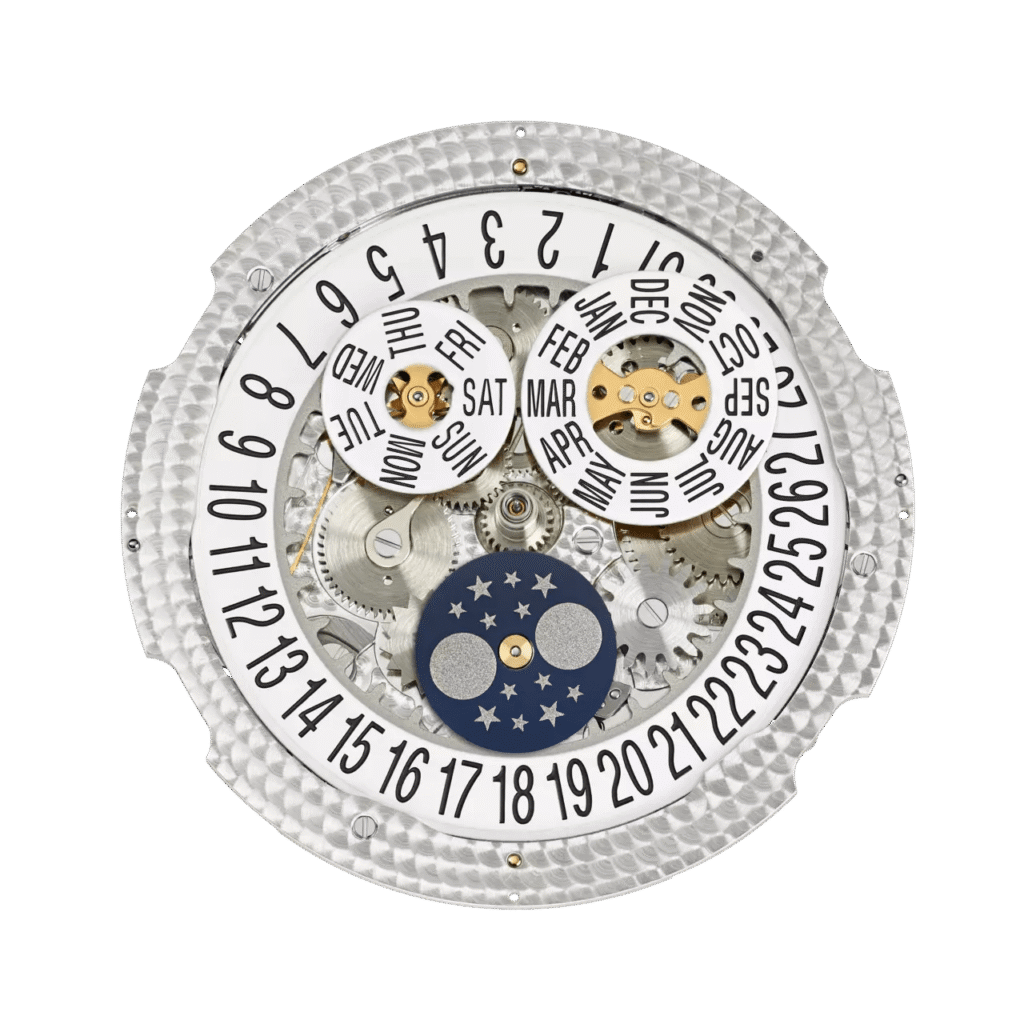
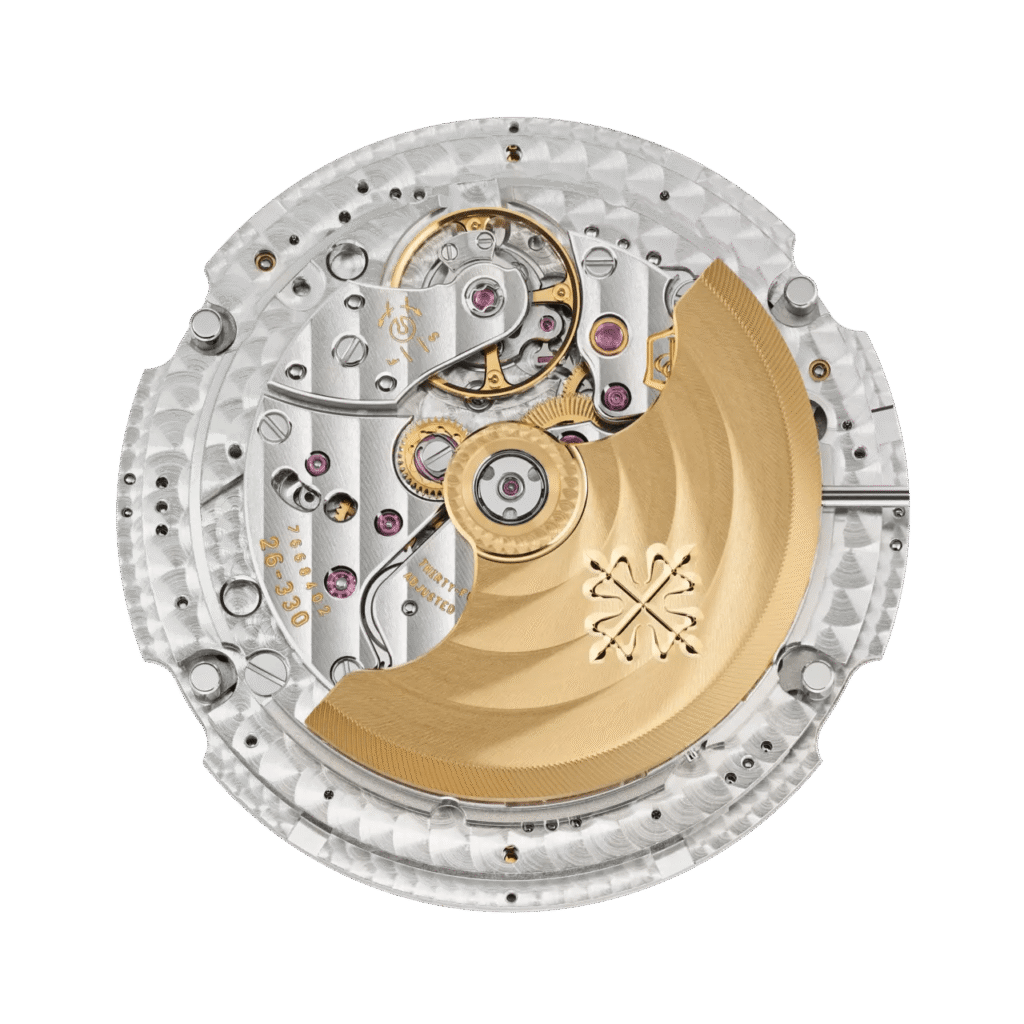
- Annual Calendar with day and month displayed in apertures as well as a date at 6 o’clock, self-winding 26-330 S QA LU 24H caliber
- Annual Calendar mechanism requiring only one correction per year, invented and patented by Patek Philippe in 1996
- Silvery opaline dial with rose gold faceted “obus”-style hour markers. Rose gold faceted dauphine hands.
- 24-hour indication and moon phases at 6 o’clock
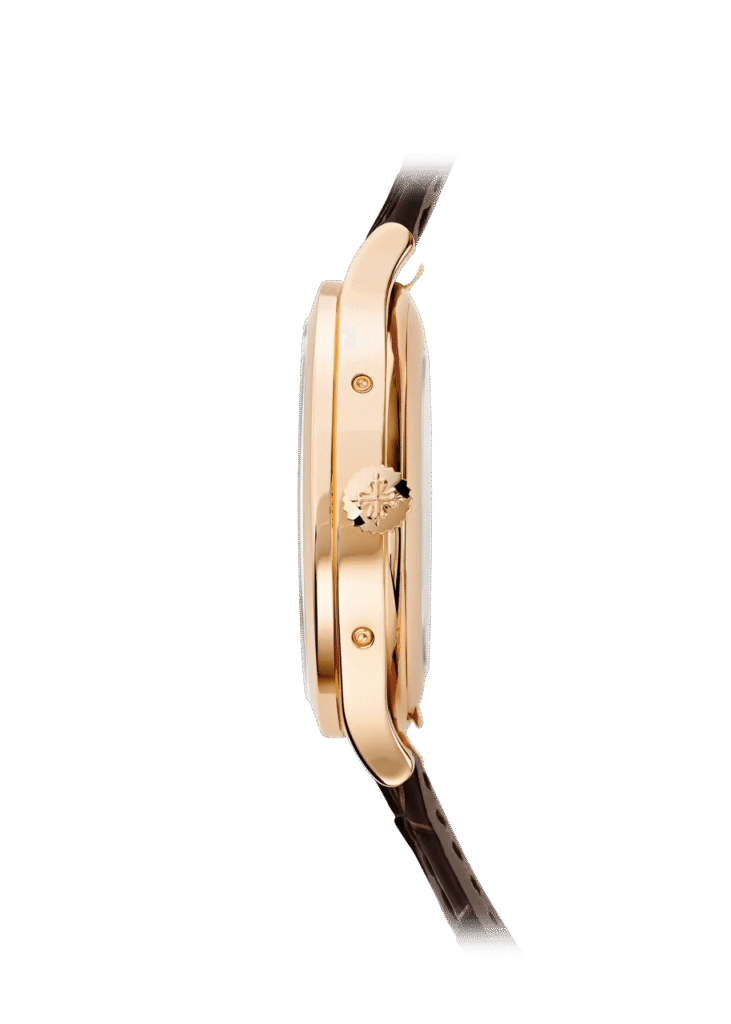
- Fully polished 38.5 mm rose gold case
- Shiny chocolate brown alligator leather strap with rose gold fold-over clasp
100% Authenticity Guarantee
We garantee than the watches we seling are 100% authentic
Insured International Delivery
World wide insured delivery
Flexible payment options
Flexible payment options
About the brand
View all watchesFounded in 1839, Patek Philippe remains privately owned by the Stern family, which keeps decision making focused on long-term craft rather than quarterly targets. The manufacture spans Plan-les-Ouates and Saint-Imier, where watchmakers still assemble complications by hand and polish bridges to mirror finishes.
More from Patek Philippe
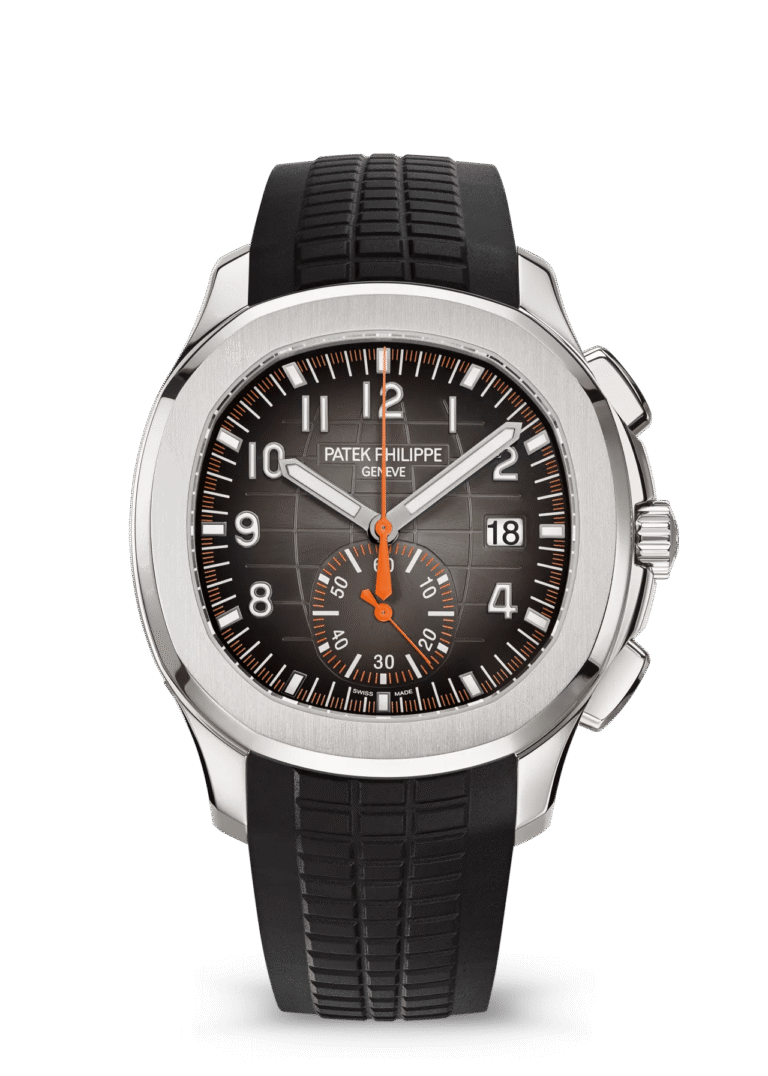
Patek Philippe Aquanaut 5968A-001
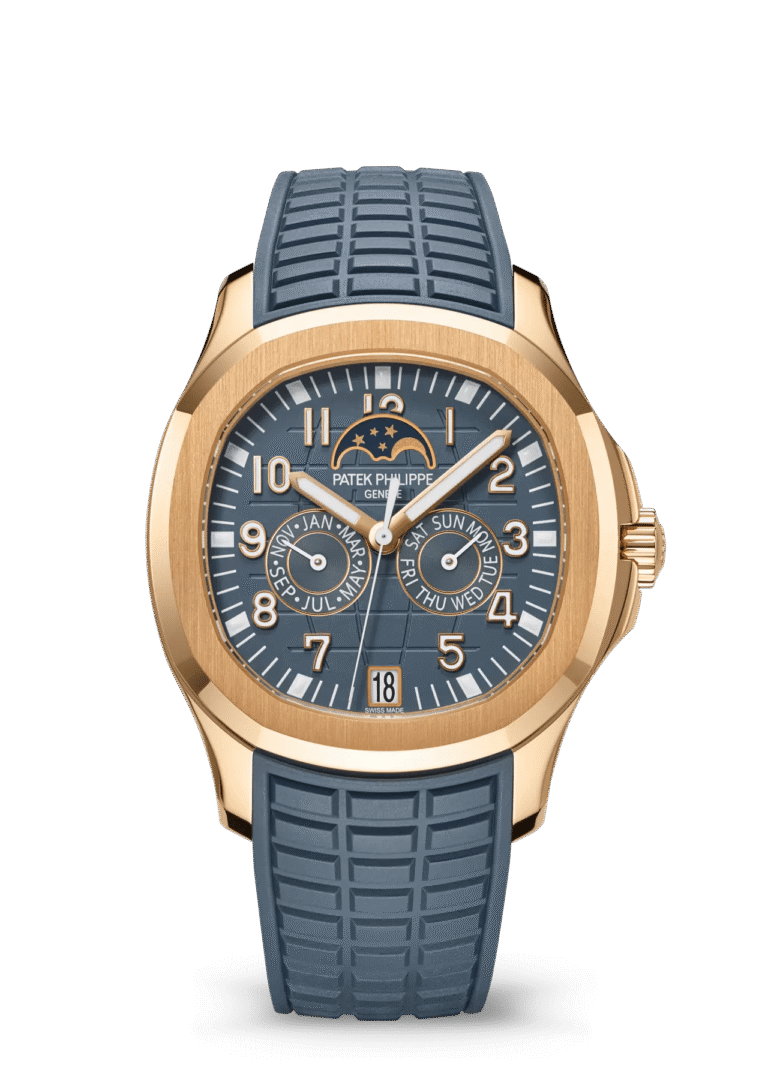
Patek Philippe Aquanaut 5261R-001
Patek Philippe Nautilus 7118/1R-010